Bangkok

Wat Phra Kaew
📖 Brief History
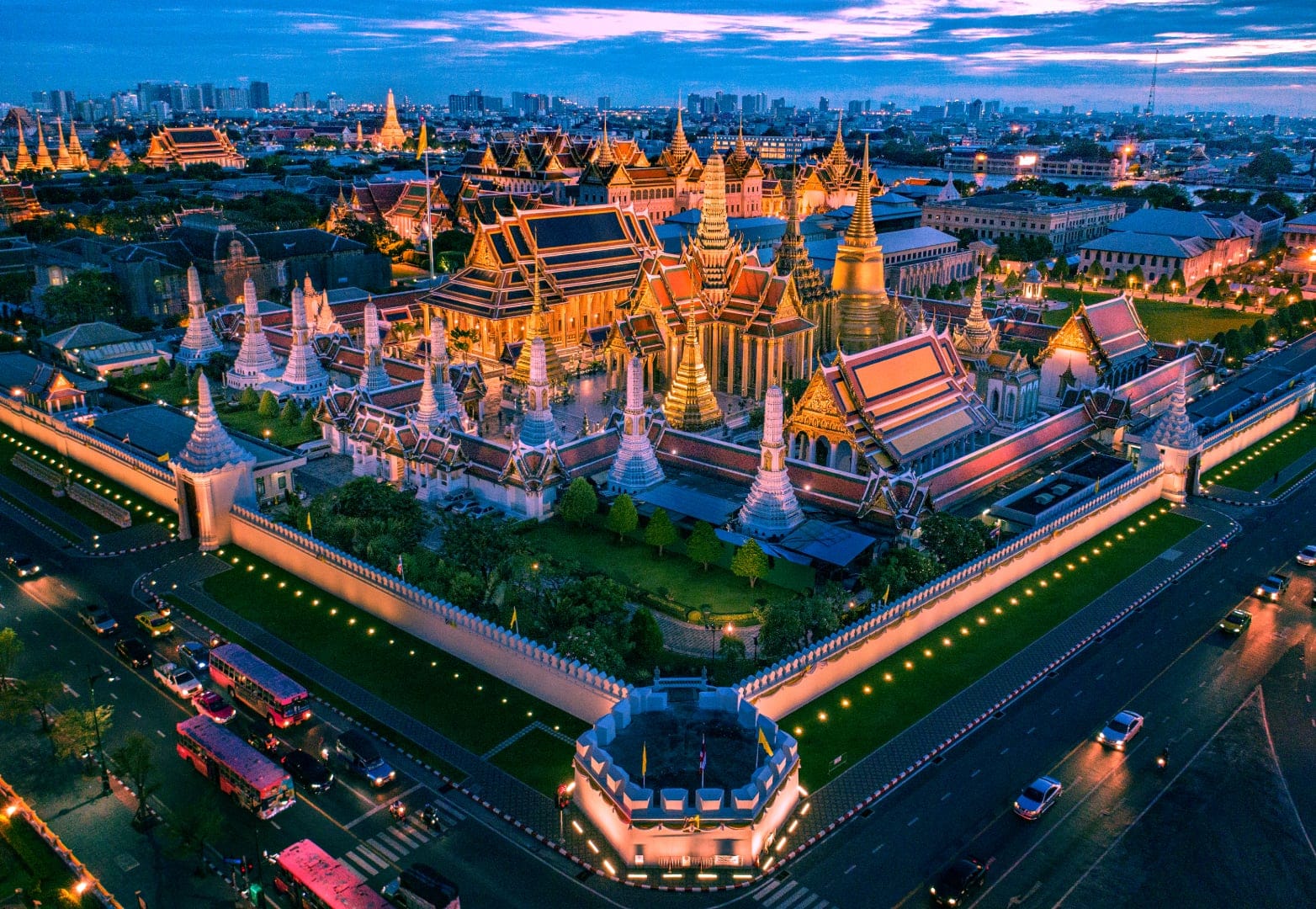
Wat Phra Kaew, located within the Grand Palace in Bangkok, was built during the reign of King Rama I in 1782. It is considered the most important temple in Thailand as it houses the “Emerald Buddha,” the nation’s palladium and a spiritual symbol for both Thais and Buddhists around the world.
The temple’s architecture is truly breathtaking — the grand ordination hall, intricate gold leaf details, sparkling glass mosaics, and the mural paintings of the Ramakien (Thailand’s national epic), which are preserved in their most complete form here.
💡 Why You Mustz Visit Wat Phra Kaew at Least Once in Your Life
- To admire authentic Thai artistry that can’t be found anywhere else
- To experience a profound sense of faith and tranquility the moment you step inside
- To see the real “Emerald Buddha,” whose robes are ceremonially changed three times a year by the King of Thailand
👜 Tips for Visiting Wat Phra Kaew
- Dress code: Modest attire only – no shorts, sleeveless tops, or tight clothing (long pants/skirts and sleeved shirts are required).
- Best time to visit: Arrive early, around 8:30 – 9:00 AM, when it’s less crowded and cooler, perfect for photos.
- Tickets: Foreign visitors pay around 500 THB (includes entry to the museum). Thai nationals enter free of charge.
- What to bring: A hat or umbrella, sunscreen, and drinking water – the grounds are spacious and can be very hot.
- Must-see spots:
- Snap a photo of the ordination hall with the golden chedi
- Stroll along the cloister to admire the Ramakien murals
- Visit the Temple of the Emerald Buddha Museum
📌 Conclusion
Wat Phra Kaew is not just the most beautiful temple in Thailand but also a symbol of history, artistry, and faith that Thais are deeply proud of. Once you’re here, you’ll realize that “Bangkok isn’t only about hustle and bustle — it’s also a place where peace and serenity can be found.”
▶️ Video
The Grand Palace Bangkok - Stunning golden residence of the King of Thailand
Wat Pho
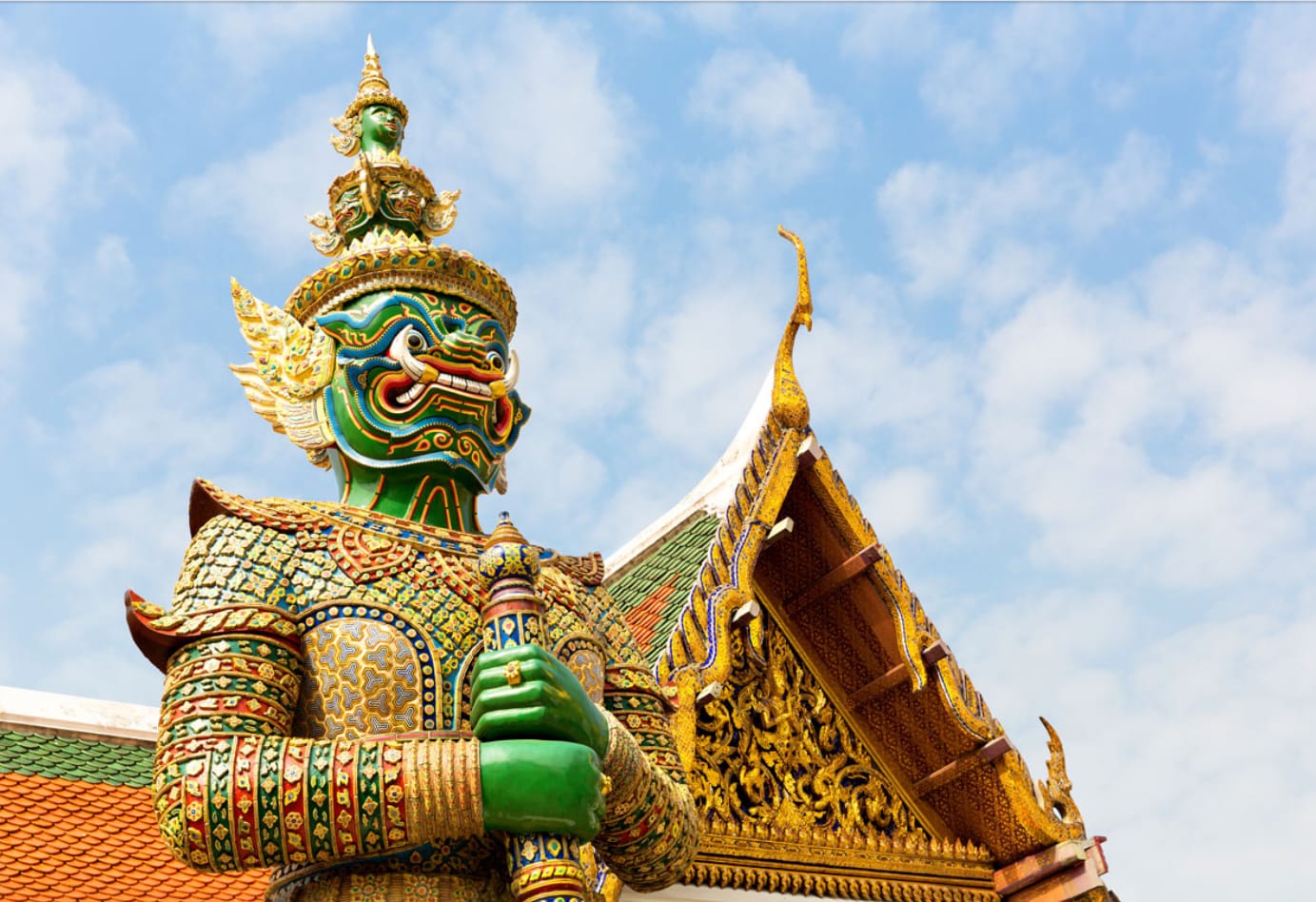
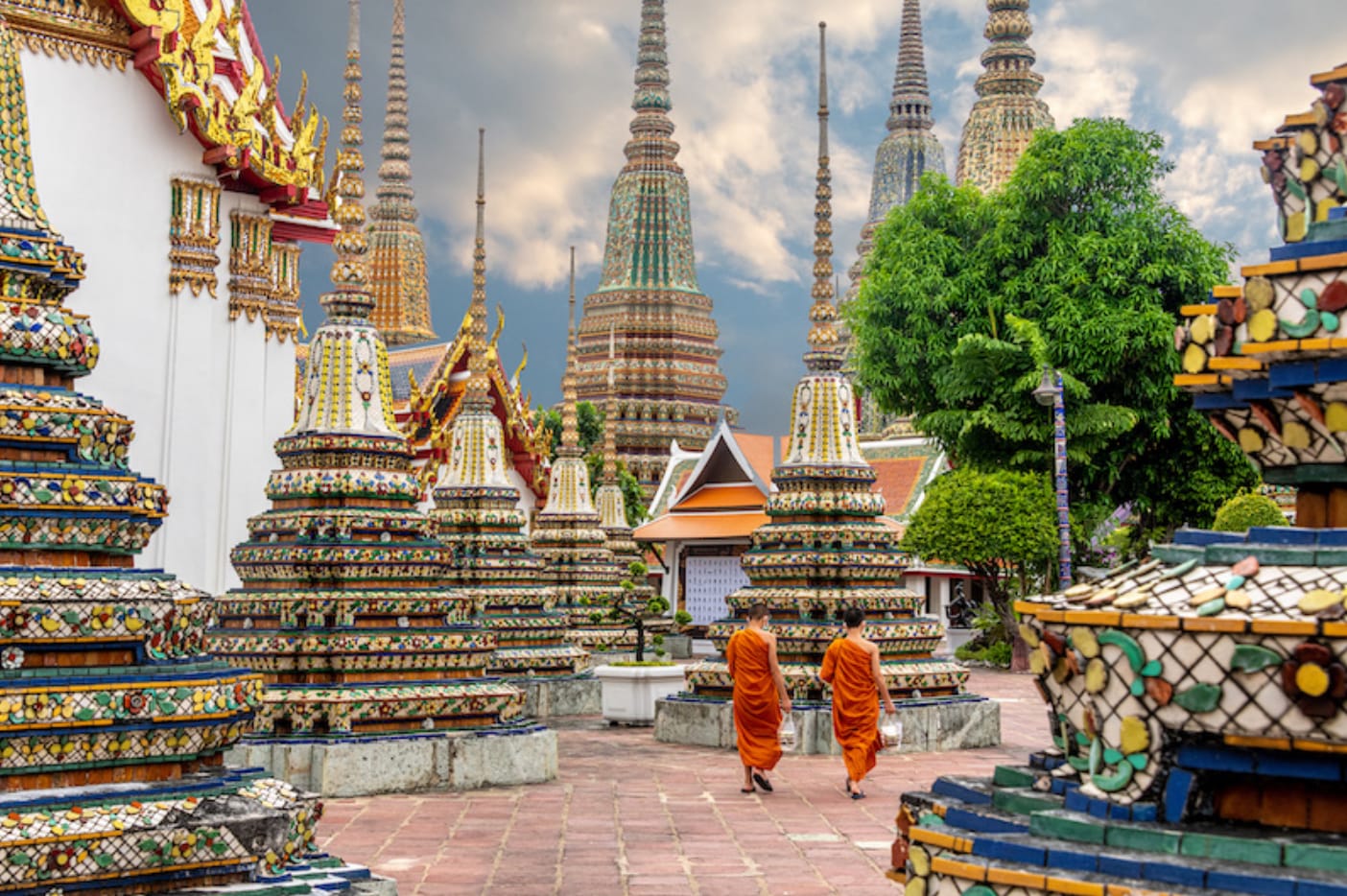
Wat Pho is one of Bangkok’s most iconic and beloved attractions—a cultural landmark that every traveler seeking to experience Thailand’s rich heritage should visit at least once. Today, we’ll take you through the fascinating history of Wat Pho, its must-see highlights, the latest visitor information, and even recommend nearby accommodations for those planning a visit.
A Glimpse into History
Known officially as Wat Phra Chetuphon Wimon Mangkhalaram Ratchaworamahawihan, Wat Pho was originally called Wat Photaram. Archaeologists believe the temple was first built after 1688 during the Ayutthaya period, under the reign of King Narai the Great—though some scholars suggest it may date back to the reign of King Petracha.
In 1788, during the reign of King Rama I, the temple was completely restored. New structures—including the ordination hall (ubosot), cloisters, and assembly halls—were built, and the restoration was completed in 1801. The King renamed the temple Wat Phra Chetuphon Wimon Mangkhalawas, meaning “The Monastery of the Auspicious Abode of the Buddha.”
Highlights You Shouldn’t Miss
Inside Wat Pho, visitors will discover breathtaking architecture and artwork, making it a true cultural treasure. Some highlights include:
- The Reclining Buddha – One of the largest and oldest reclining Buddha statues in Bangkok.
- Stunning Murals – Exquisite wall paintings that tell fascinating stories from Thai history and mythology.
- The Largest Collection of Chedis in Thailand – Wat Pho houses 99 chedis (stupas), more than any other temple in the country.
- The Famous Wat Pho Giants – Unique guardian statues perfect for memorable photos.
- Traditional Thai Massage – Experience authentic Thai massage at its original source, priced at around 300–350 THB per hour.
Opening Hours and Admission
- Open daily, including public holidays.
- Visiting hours: 8:00 AM – 6:30 PM.
- Admission: Free for Thai nationals, 100 THB per person for international visitors.
Dress Code Guidelines
As a sacred and highly respected temple, appropriate attire is required:
- Women: Should cover shoulders and chest, and wear skirts or trousers that extend below the knees.
- Men: Must wear long pants and sleeved shirts—shorts are not permitted.
- Avoid sheer or tight-fitting clothing.
- Shoes must be removed before entering the ordination hall or other sacred areas, so consider footwear that’s easy to take off.
If your outfit does not meet the dress code, clothing rentals are available for a small fee.
Did you know
- Wat Pho is home to the most chedis in Thailand—a total of 99.
- It is regarded as Thailand’s first university, historically serving as a center for education and culture.
- Wat Pho is considered the birthplace of traditional Thai massage.
- It is the royal temple of King Rama I, founder of the Chakri dynasty.
- UNESCO has recognized Wat Pho twice: first as part of the Asia-Pacific Regional Memory of the World Register, and later, on June 16, 2011, as part of the International Memory of the World Register.
Wat Arun Ratchawararam
📖 Brief History
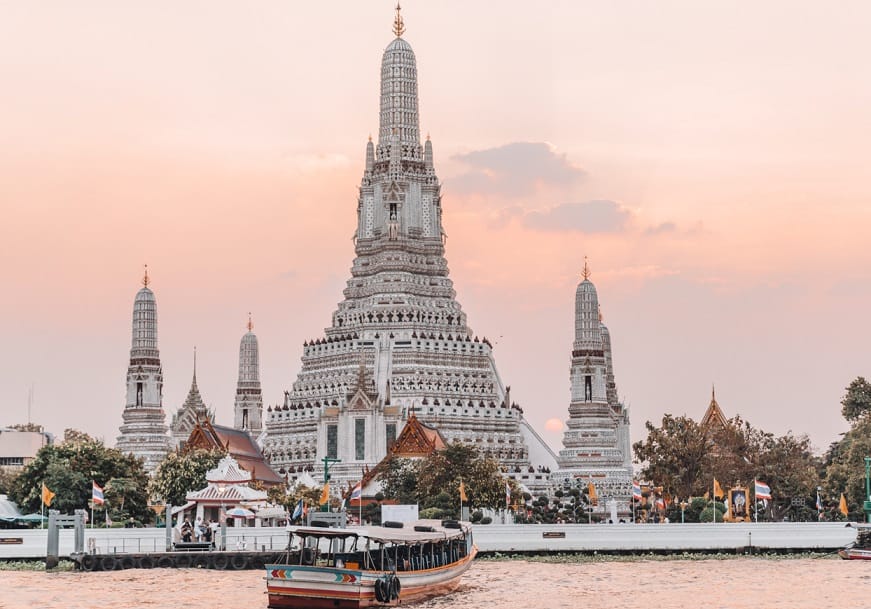
Wat Arun Ratchawararam, also known as the “Temple of Dawn,” is one of Bangkok’s most iconic landmarks. The temple dates back to the Ayutthaya period and was later restored and expanded during the reigns of King Rama II and King Rama III. Its central prang, standing majestically on the banks of the Chao Phraya River, has become a symbol of the city.
The name “Wat Arun” comes from Aruna, the Hindu god of dawn. When the morning sun hits the temple’s prang, it glitters beautifully, making sunrise the most magical time to see it.
✨ Highlights
- The Central Prang – over 70 meters tall, decorated with colorful porcelain and intricate mosaics.
- River Views – stunning panoramas of the Chao Phraya River, especially at sunrise and sunset.
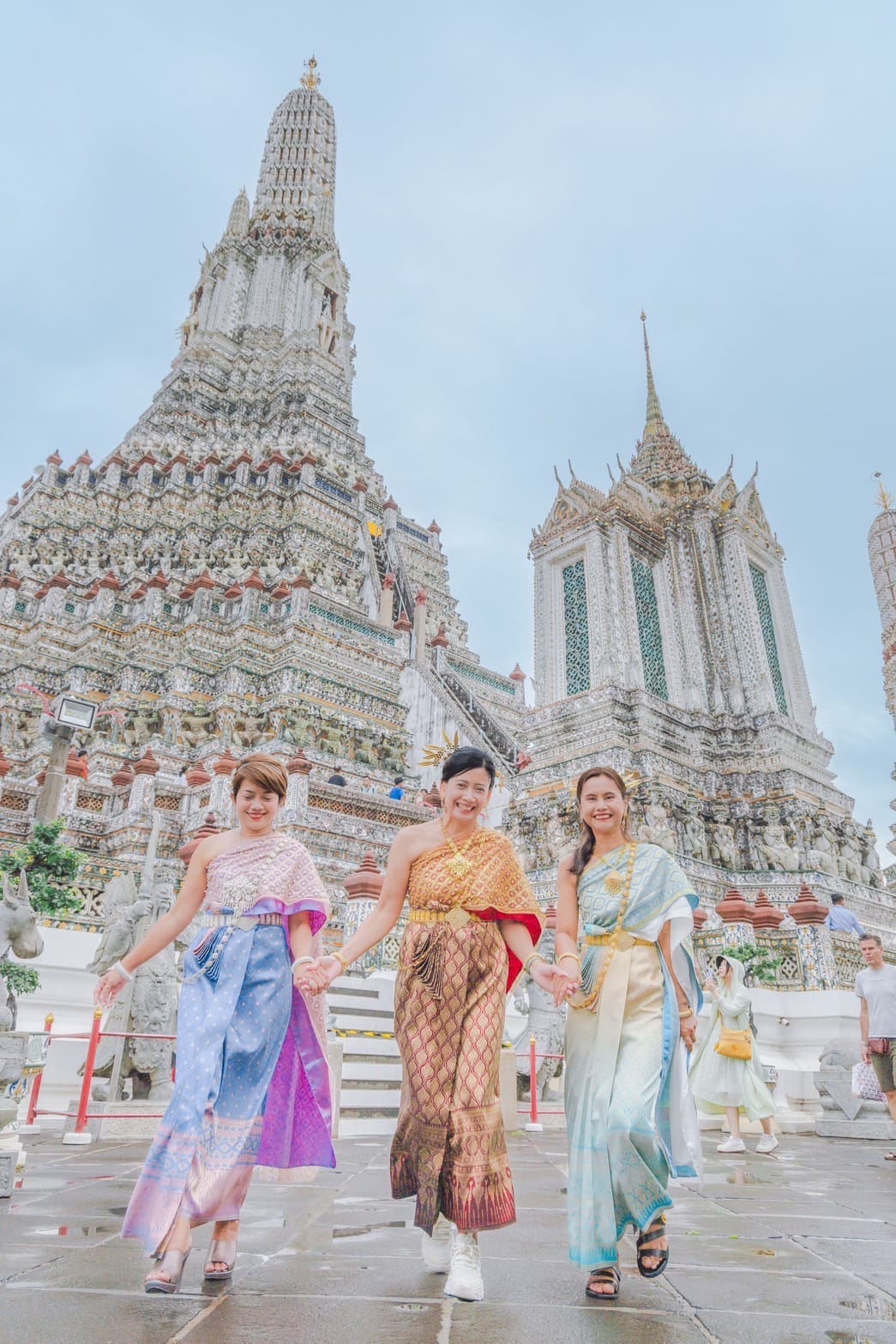
- Thai Costume Experience – one of the most popular activities! Several rental shops around the temple offer traditional Thai outfits. Dressing up and taking photos with the majestic prang as your backdrop is an unforgettable experience, like stepping back in time.
👜 Tips for Visiting Wat Arun
- Best time: Early morning or late afternoon near sunset for the best lighting and cooler weather.
- Entrance fee: 20 THB for Thais / 100 THB for foreigners.
- Dress code: Modest attire is required if not wearing a Thai costume.
- Don’t miss: Climb the base of the prang for breathtaking views of the river and the Grand Palace on the opposite bank.
📌 Conclusion
Wat Arun is more than just a riverside temple — it’s one of the most photogenic spots in Bangkok. And if you try the Thai costume rental, you’ll feel as though you’ve traveled back to the early Rattanakosin era 🌅✨
▶️ Video
Buddhist Temple in Bangkok. Drone shot of the Wat Arun Temple Chao Phraya River in Bangkok, Thailand
Yaowarat
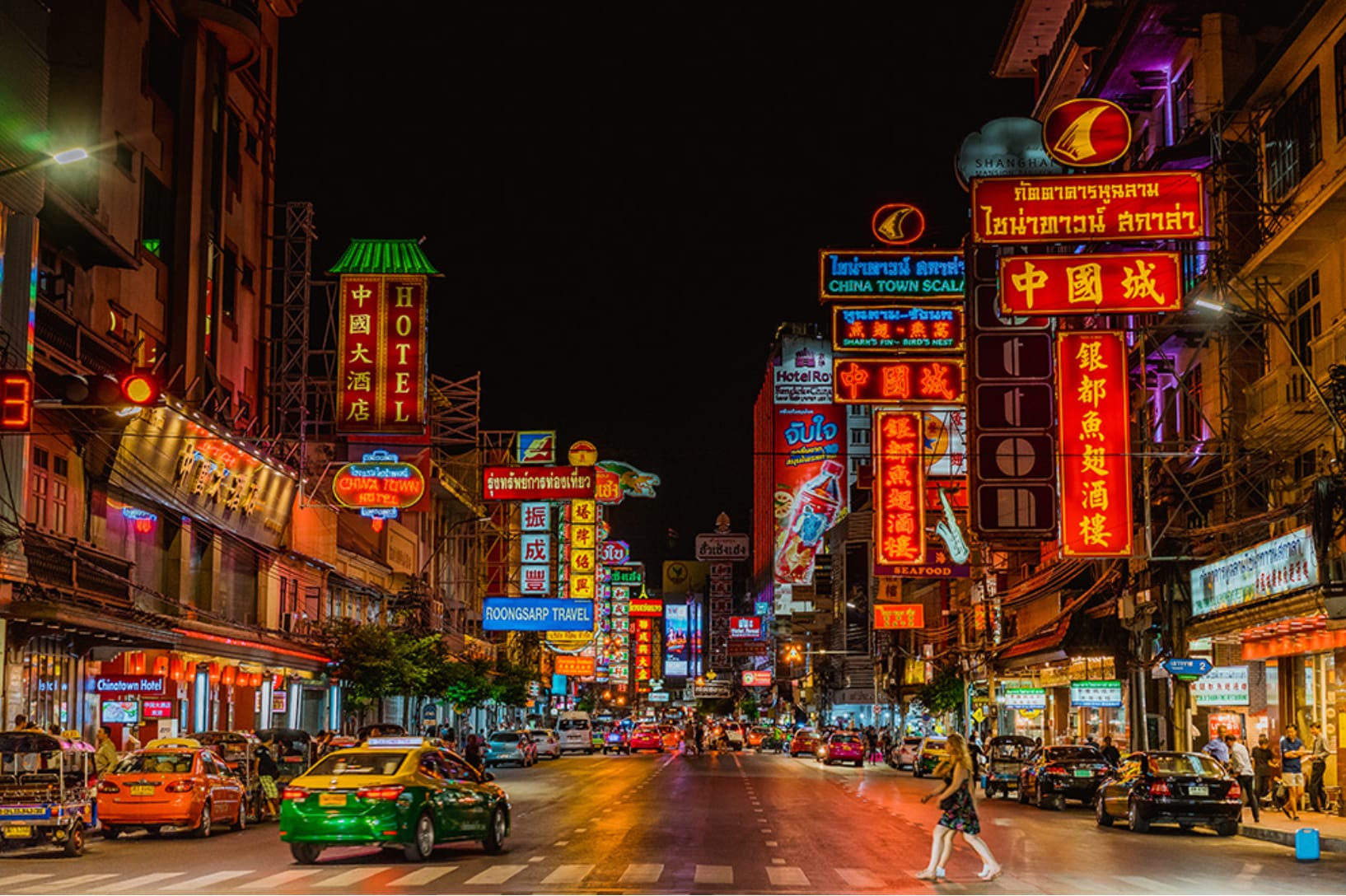
If there’s one place that truly represents Bangkok’s vibrant street food culture, it’s Yaowarat Road, also known as Chinatown Bangkok. This bustling street has been a cultural and culinary hub for over 200 years, where Thai and Chinese traditions blend seamlessly.
🌆 The Atmosphere
By day, Yaowarat is filled with gold shops, traditional herbal medicine stores, and bustling local markets. But when the sun goes down, the street completely transforms into one of the most famous night food streets in the world. Neon signs light up the road, crowds of locals and travelers gather, and the aroma of sizzling woks fills the air.
🍴 What to Eat
Yaowarat is heaven for food lovers – you’ll find both authentic Chinese flavors and unique Thai street food classics, such as:
- 🥟 Dim sum & dumplings – hot, fresh, and full of flavor
- 🍲 Noodle soups – from traditional Chinese herbal broth to modern spicy bowls
- 🦀 Seafood delights – grilled prawns, stir-fried crab with curry powder, and oyster omelets
- 🍢 Street snacks – satay, crispy spring rolls, roasted chestnuts, and more
- 🥭 Sweet treats – mango sticky rice, Chinese desserts, and Thai iced tea
🌏 Why It’s Special
More than just a food street, Yaowarat is a cultural experience. The energy, the diversity of flavors, and the mix of old-world traditions with modern street food creativity make it a must-visit spot in Bangkok.
🧑👩🦰 Traveler’s Tips
- The best time to visit is in the evening, when the atmosphere is most lively.
- Bring cash with you (many street food vendors don’t accept cards).
- If you want to try many dishes, order to share so you can taste more varieties.
👉 For any traveler, an evening spent walking, tasting, and exploring Yaowarat is not just about food – it’s about living the soul of Bangkok.
Ratchadamnoen Stadium
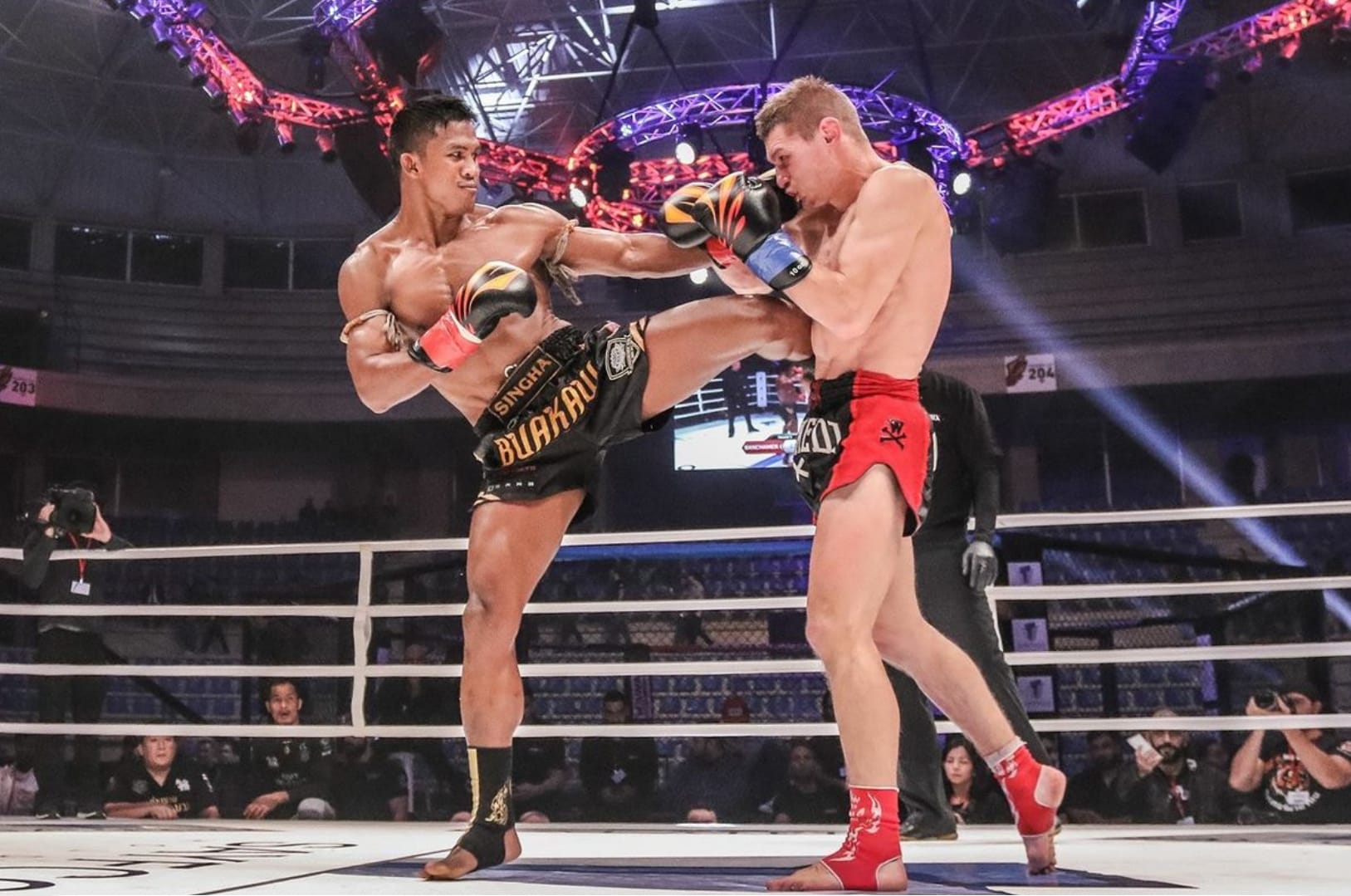
Discover the legendary Ratchadamnoen Stadium – the heart of Muay Thai in Bangkok.Here, history and tradition come alive in every strike, every movement, every cheer. Muay Thai is more than just a fight; it is an art form passed down for centuries. At Ratchadamnoen, you don’t just watch a match – you witness the spirit of Thailand. The sound of drums, the ritual dance, and the intensity in the ring create an atmosphere like no other.
Feel the energy of the crowd as warriors display strength, skill, and respect. This is where champions are made and where visitors feel the true heartbeat of Thai culture.
Whether you’re a fan of martial arts or simply seeking an unforgettable cultural experience, this is a must.
Here you can explore, learn, and even take part in workshops to understand the art of Muay Thai.
Ratchadamnoen is not only a stadium, but a gateway into the soul of Thailand. Come and see for yourself why Muay Thai is known as “The Art of Eight Limbs.” Your journey through Thailand is not complete without a night at Ratchadamnoen Stadium.
🚘 How to visit Ratchadamnoen Stadium
Getting There:
- 📍 Located on Ratchadamnoen Nok Avenue, near Democracy Monument.
- 🚕 The easiest way is by taxi or Grab – just say “Ratchadamnoen Boxing Stadium.”
- 🚆 Take the BTS to National Stadium or the MRT to Sam Yot, then a short taxi or tuk-tuk ride.
Tickets:
- 🎟️ Tickets can be purchased at the stadium entrance or booked online in advance.
- 💺 Seating options:
- Ringside: THB 1,500–2,000 (best view, close to the action)
- VIP/Club Class: THB 1,200–1,500
- Regular Seats: around THB 1,000
Fight Nights:
- 📅 Usually held 3 nights a week (Monday, Wednesday, Friday)
- 🕡 Matches start around 6:30 PM and feature several exciting bouts, from rising talents to main-event fighters.
✨ Don’t miss the chance to experience Thailand’s national sport in its most authentic atmosphere. A night at Ratchadamnoen is more than a fight – it’s living culture, history, and adrenaline in one unforgettable experience!